

01Event
What happened
The sequence, conditions, people and decisions surrounding the incident establish the starting point.
Los Angeles / Personal injury
Case clarity system · 01
We turn a difficult moment into a clear sequence of facts, evidence and informed next steps.
Westbridge
No legal fee unless compensation is recovered, subject to the written engagement agreement.
The principle / 02
Injury claims begin while life is still unsettled. We bring structure to the facts without adding noise.
Our role is to identify what matters, explain what remains uncertain and help each client make informed decisions at the right time.

Case anatomy / Live review
DETAILS
CREATE
DIRECTION.
The sequence, conditions, people and decisions surrounding the incident establish the starting point.
Reports, photographs, witnesses, video, records and physical evidence can turn memory into a reliable factual record.
People, businesses, public entities, insurers and other parties may have different roles and legal obligations.
Medical care, lost income, pain, limitations and family effects help explain the real consequences of an injury.
Deadlines, documentation, treatment and communication are organized into a practical path forward.
How we help / 03
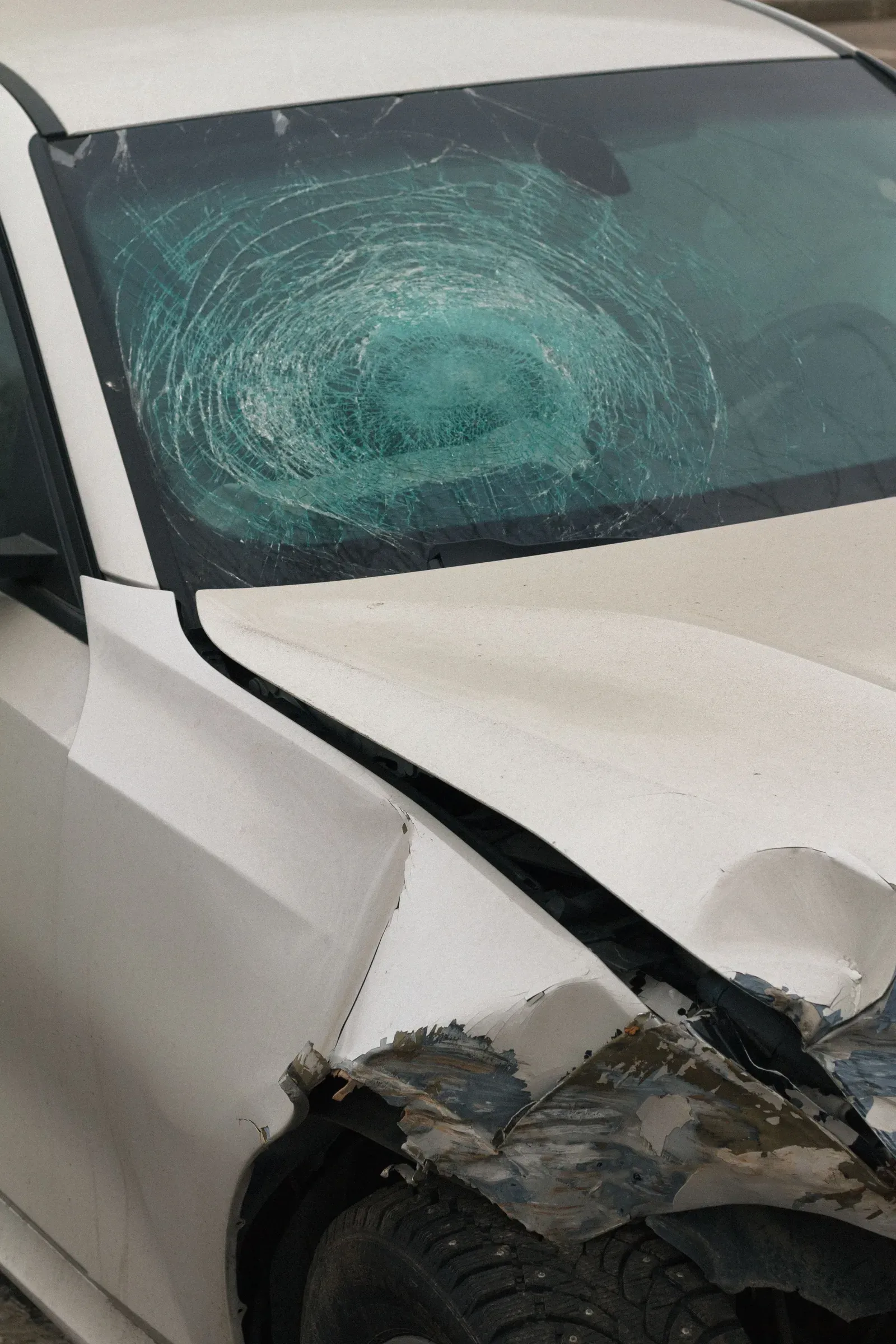
A serious crash can turn an ordinary trip into months of medical, financial, and practical uncertainty.
↗02Commercial vehicle collisions can involve severe harm, multiple companies, and evidence that changes or disappears quickly.
↗03People walking have little protection from a moving vehicle, and even a low-speed impact can be life-altering.
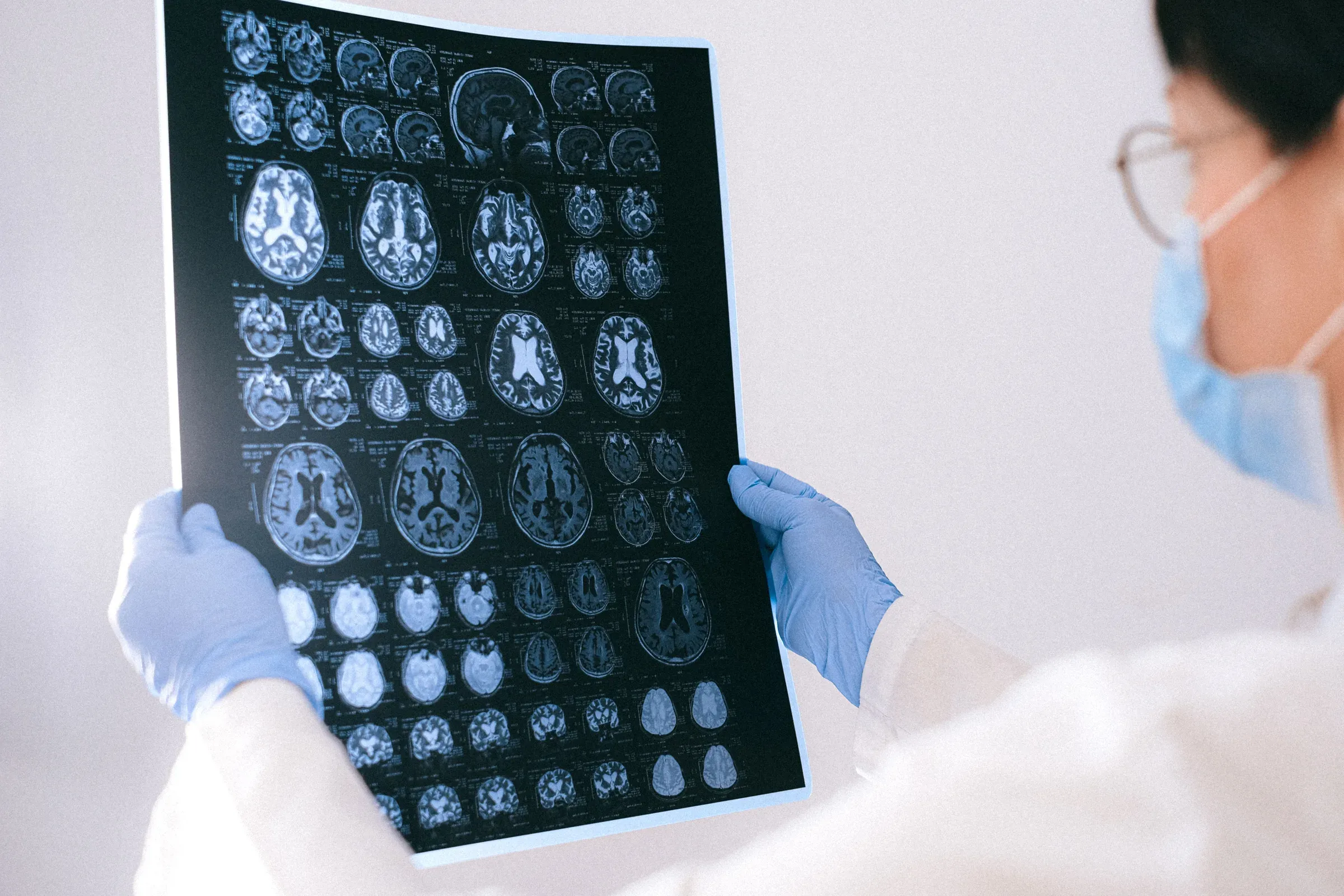
↗04Brain injuries may affect memory, personality, concentration, work, and family life even when outward signs are subtle.
↗05An injury on someone else’s property may require proof of a dangerous condition, control, and legally sufficient notice.
↗06After a preventable death, families may face grief alongside immediate financial and legal questions.
↗
The firm / 04
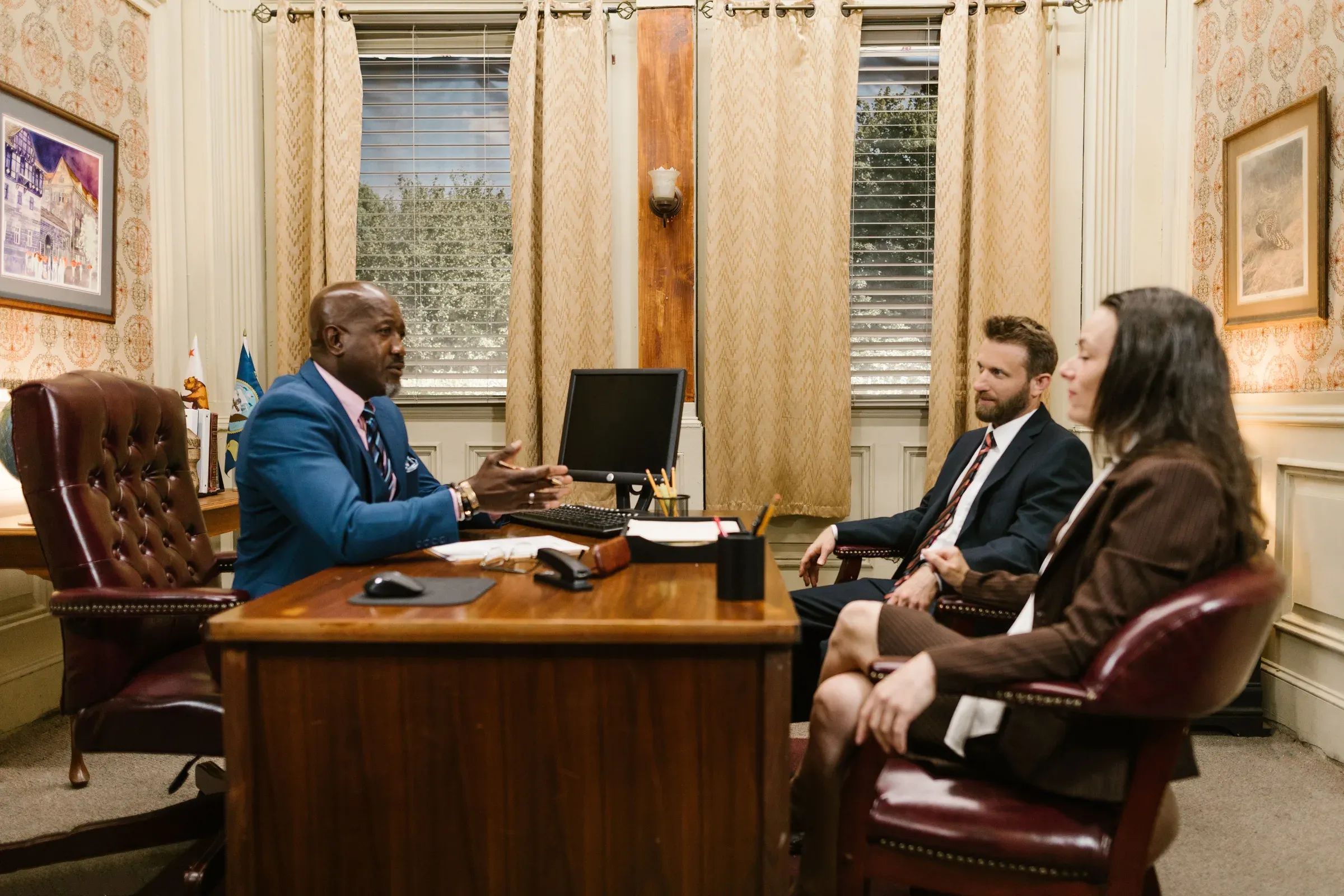
Westbridge begins by listening carefully. Preparation follows the evidence, advice stays candid, and major choices remain with the client.
About WestbridgeA controlled process / 05
The people / 06
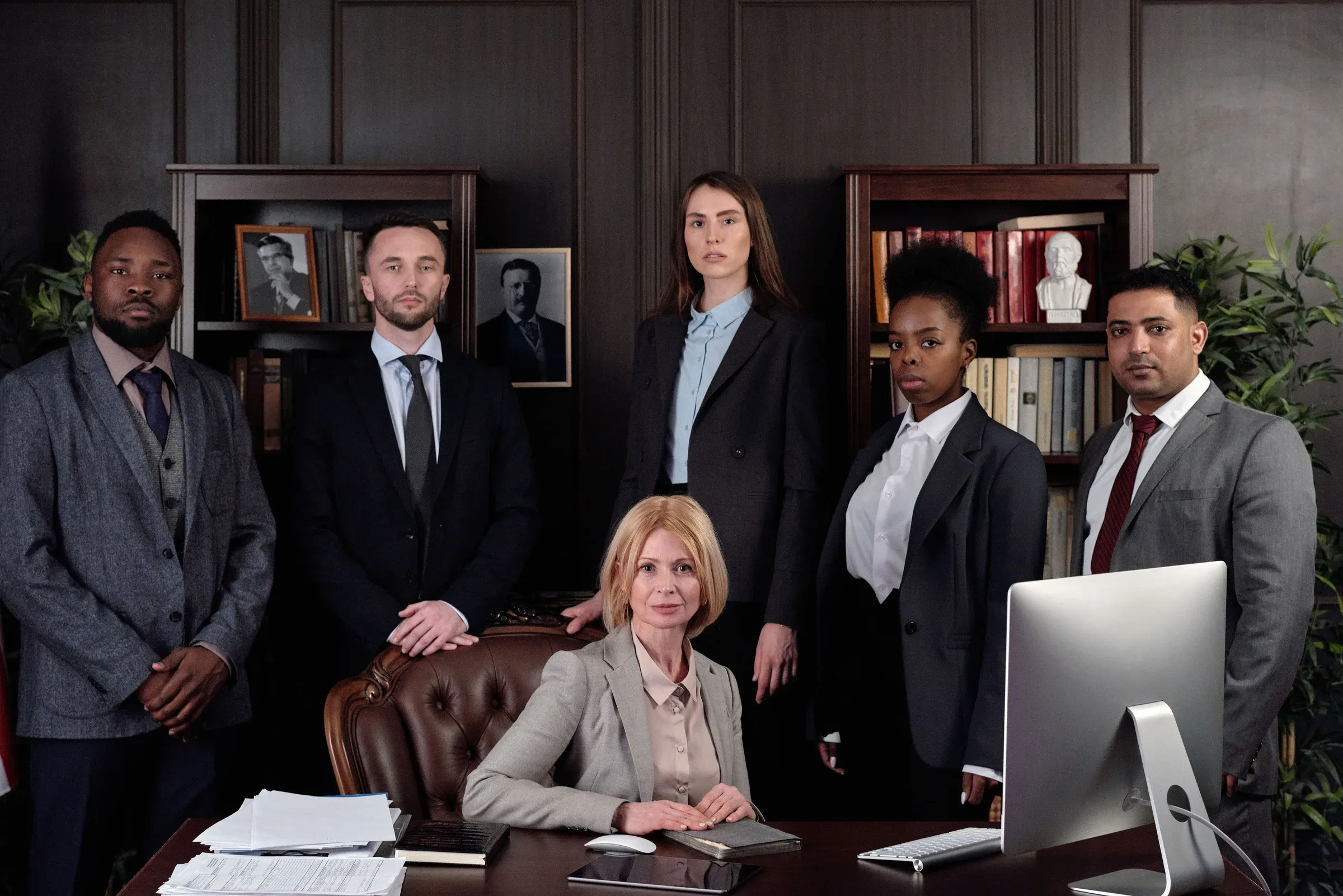
Portraits and bracketed names remain clearly identified stock-development placeholders pending verification.
Los Angeles / 07
Communities served across Los Angeles County. These listings do not claim a physical office in each city.
Useful information / 08
A practical way to preserve useful details while keeping medical care and safety first.
→02Coverage, responsibility, medical causation, and documented losses are distinct parts of an insurer’s review.
→03Situations in which early, fact-specific advice may help preserve evidence and clarify insurer requests.
→04Why accurate, consistent treatment records often matter to both health decisions and claim evaluation.
→05A focused checklist about responsibility, communication, preparation, fees, costs, and client decisions.
→General information
These answers are educational and cannot replace advice about your specific situation.
The first conversation is an opportunity to describe what happened, discuss the available information, and identify questions that may need investigation. A review does not guarantee that the firm can accept a matter and does not create representation by itself.
Many injury matters use a contingency arrangement, meaning the legal fee depends on compensation being recovered. Percentages, case costs, and all responsibilities must be stated in the written engagement agreement.
Avoid guessing, minimizing symptoms, or agreeing to facts you do not remember. Before giving a recorded statement or signing a broad authorization, consider obtaining advice about its purpose and possible effect.
Shared responsibility does not automatically answer whether a claim exists. The effect depends on the facts and applicable law, so a careful evaluation of each person’s conduct is important.
Useful materials may include scene photographs, incident reports, witness details, medical instructions, bills, wage records, repair information, and insurer correspondence. Keep original files and avoid altering relevant evidence.
There is no standard duration. Treatment, disputed responsibility, the number of parties, available insurance, and whether litigation is necessary can all affect timing.
A denial can be reviewed against the evidence, policy language, witness accounts, and applicable law. Depending on the facts, further investigation, negotiation, or litigation may be considered.
No. Many claims resolve through negotiation, while some require a lawsuit or trial. The appropriate path depends on the evidence, disputed issues, and the client’s informed decisions.

Private first conversation / 09
No confidential relationship is created by submitting this form.
Request a case review
Tell us briefly about the accident, your injuries and what you are facing now. We will use those details only to evaluate and respond to your request.
Do not send medical records, financial account details, passwords, Social Security numbers, or a full medical history through this form.