
Put safety ahead of documentation
Move away from immediate danger if you can do so safely. Contact emergency services when needed and seek care that is appropriate for your symptoms.
Evidence can matter, but no photograph is worth risking another injury. Ask someone you trust to help when you cannot document the scene yourself.
Capture context, not only damage
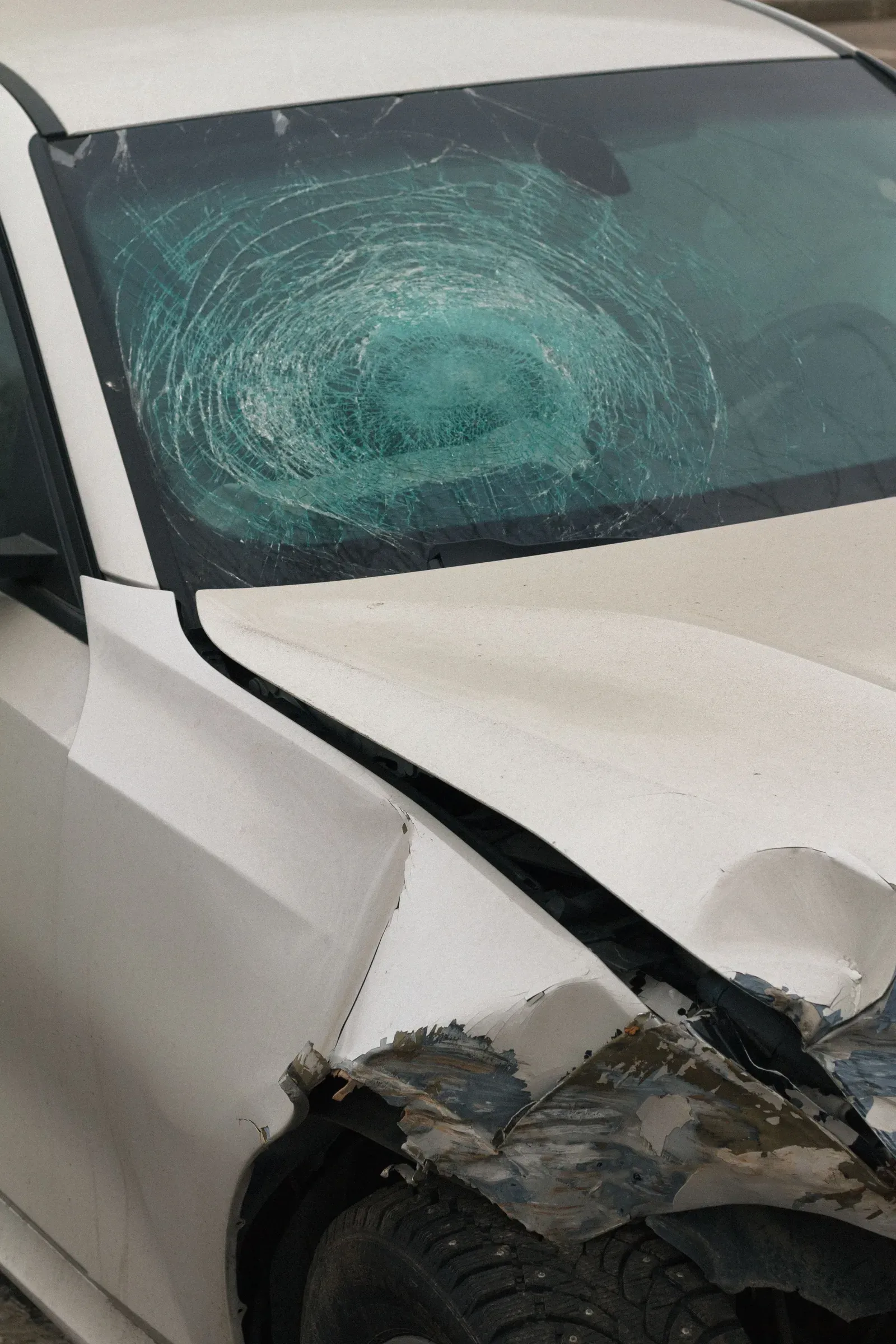
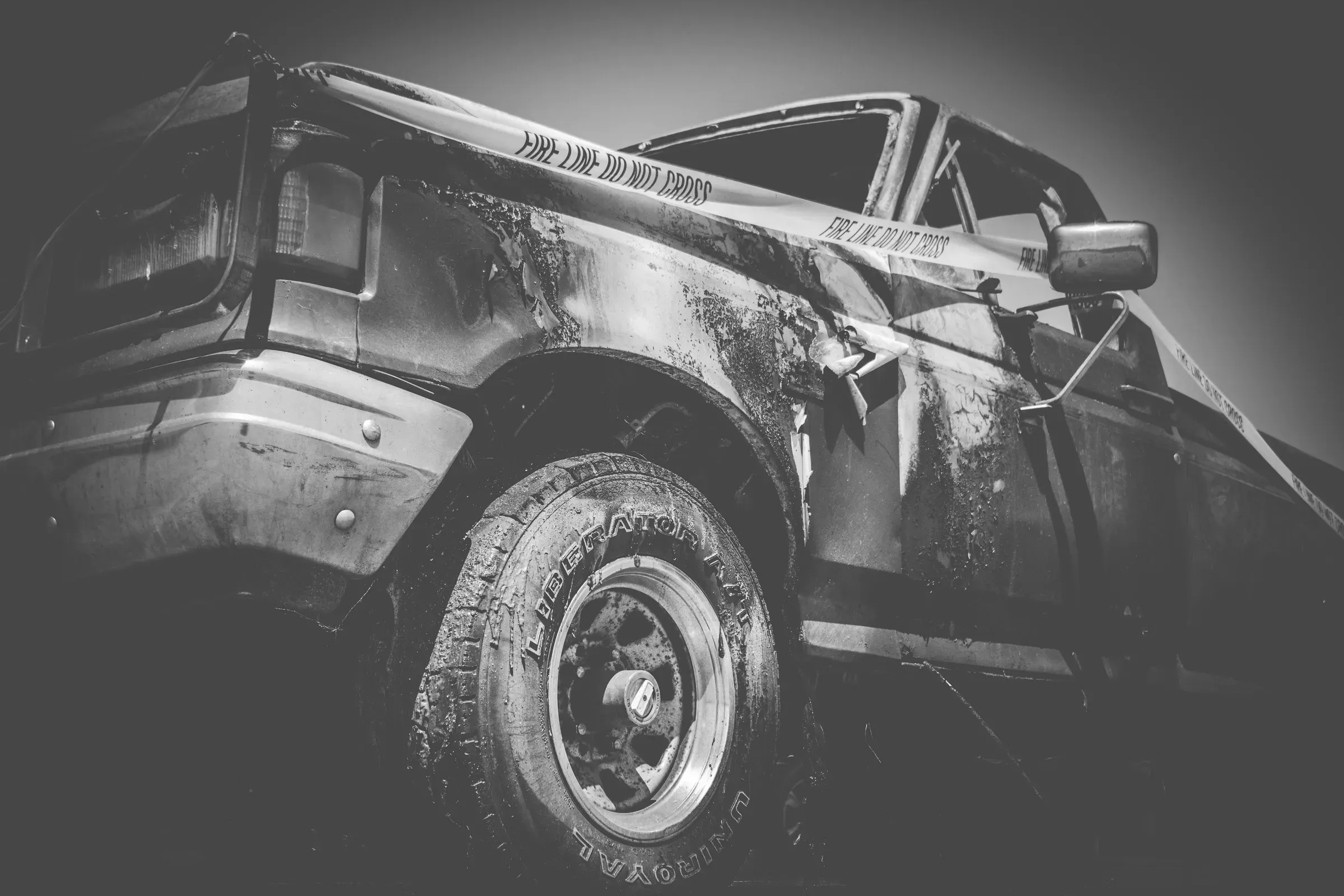
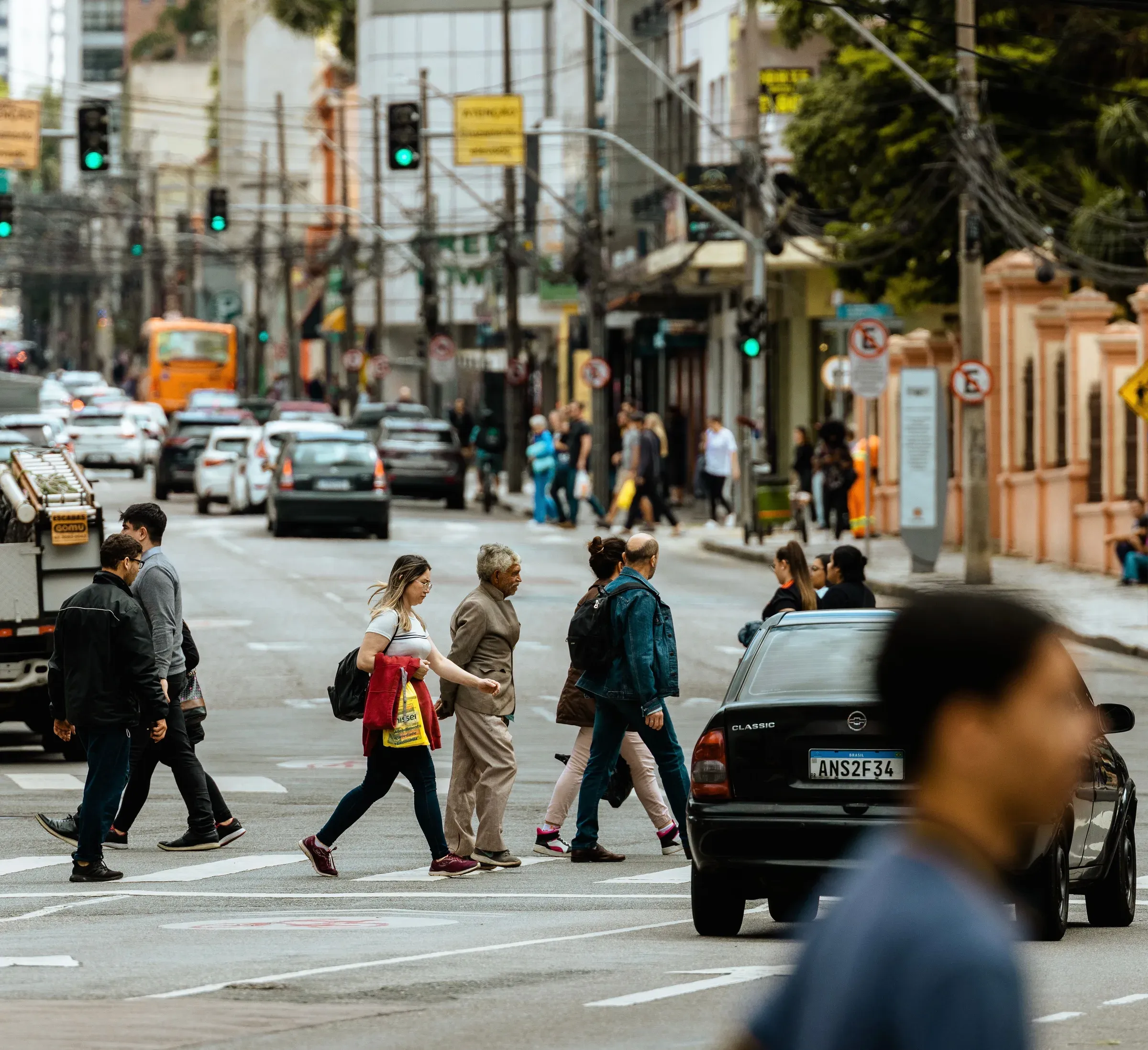
Wide views can show lanes, lighting, traffic controls, walking surfaces, obstructions, and the relative position of vehicles or objects. Close views can preserve damage and visible conditions.
Keep original files with their date information. Avoid filters, annotations, or public posts that separate an image from its context.
Build one dated record
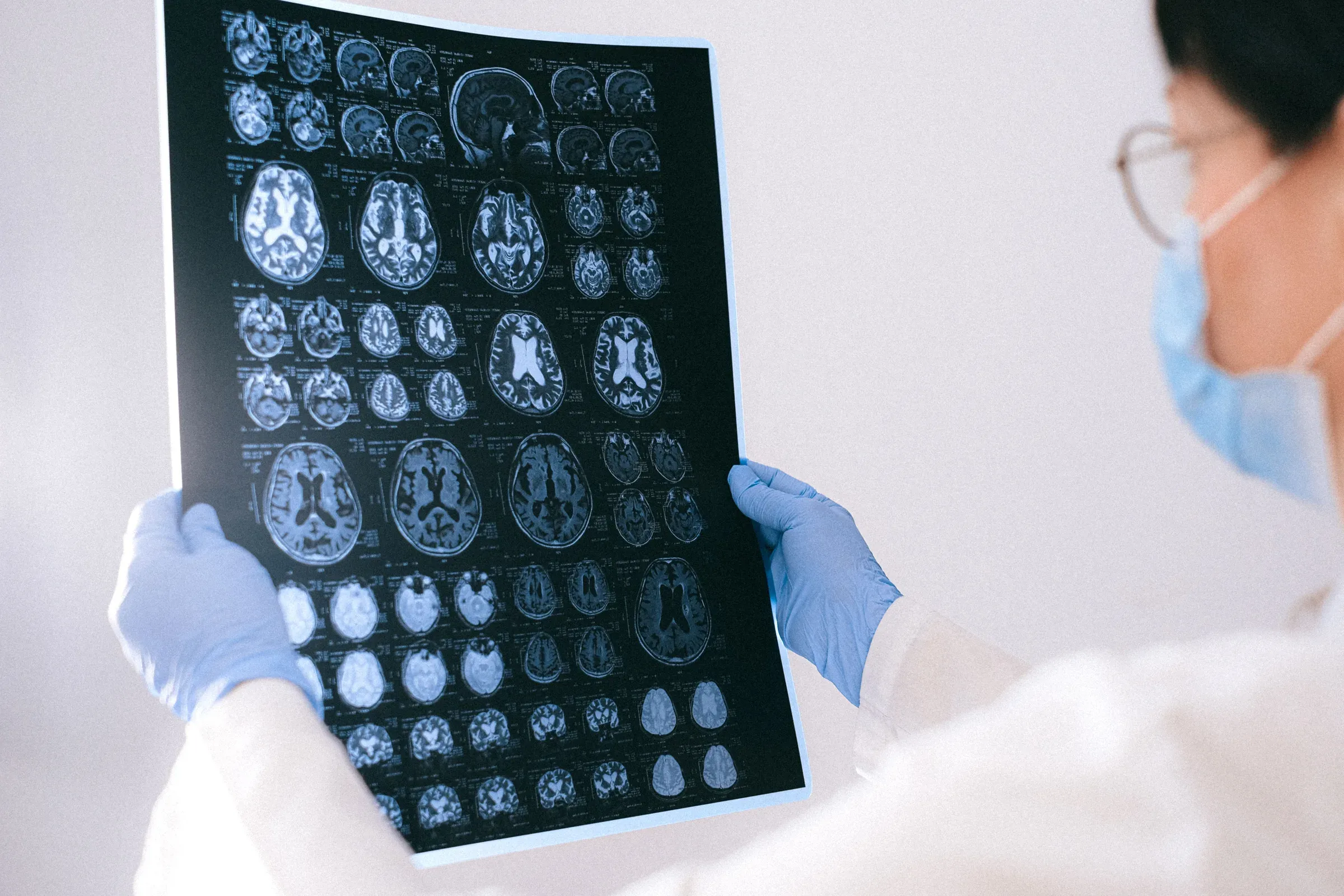
Keep report details, witness contacts, treatment instructions, bills, receipts, work notes, repair records, and insurer correspondence together.
A simple chronology can help distinguish what you directly remember from information learned later.
Related resources
Visit the resource center or review the personal injury FAQ.