


The policy frames the inquiry
An adjuster may first identify applicable policies, insured parties, exclusions, limits, and notice requirements. Coverage questions are separate from who caused the incident.
More than one policy may be relevant when commercial vehicles, employers, property owners, or multiple drivers are involved.
Responsibility is compared with evidence
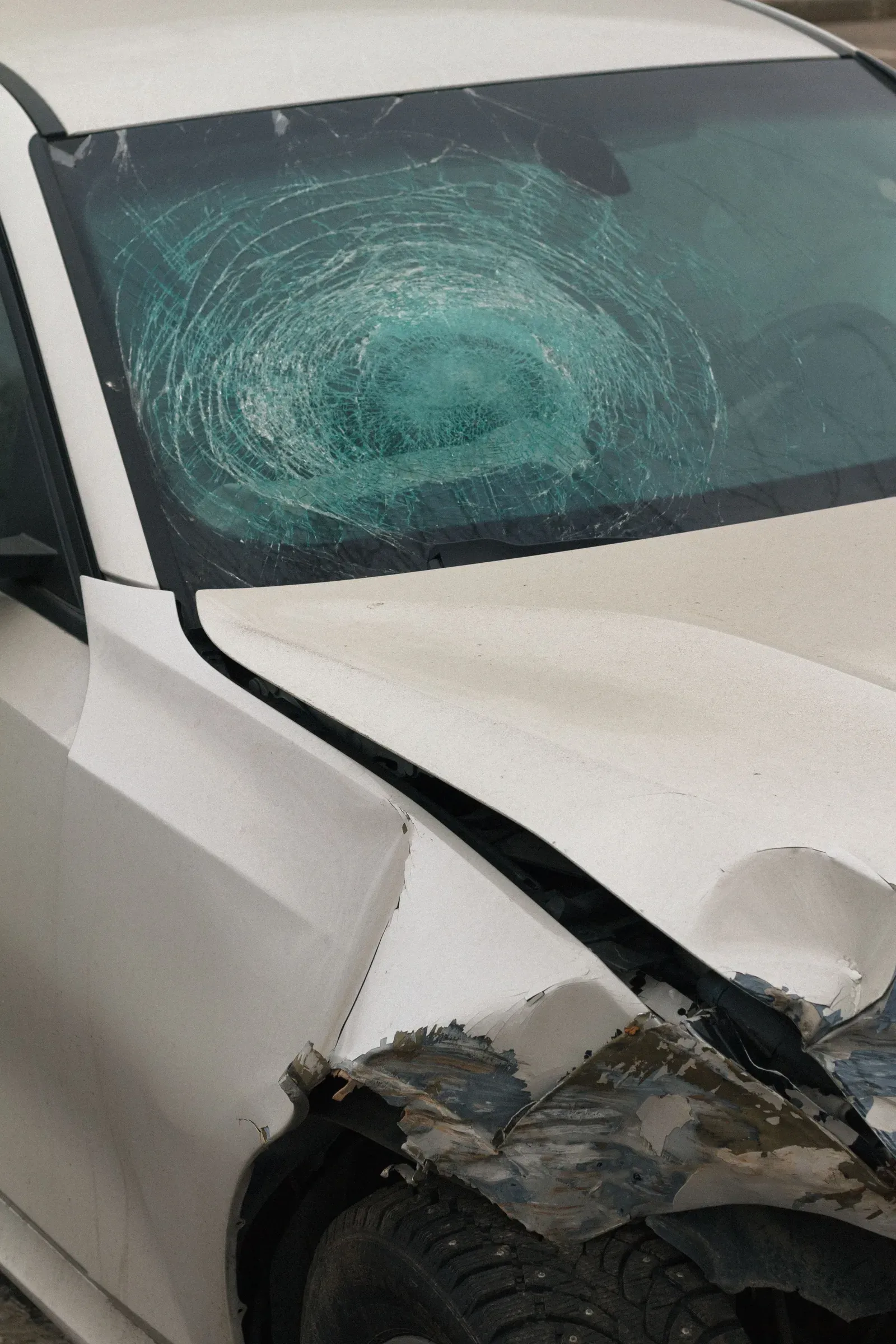
Reports, witness accounts, physical evidence, video, vehicle data, and applicable rules may support or conflict with each other. An early statement is only one piece of that record.
Be accurate and avoid filling gaps with assumptions. A correction made later may be viewed differently from an initial, careful acknowledgment that you do not know.
The claimed effects require support
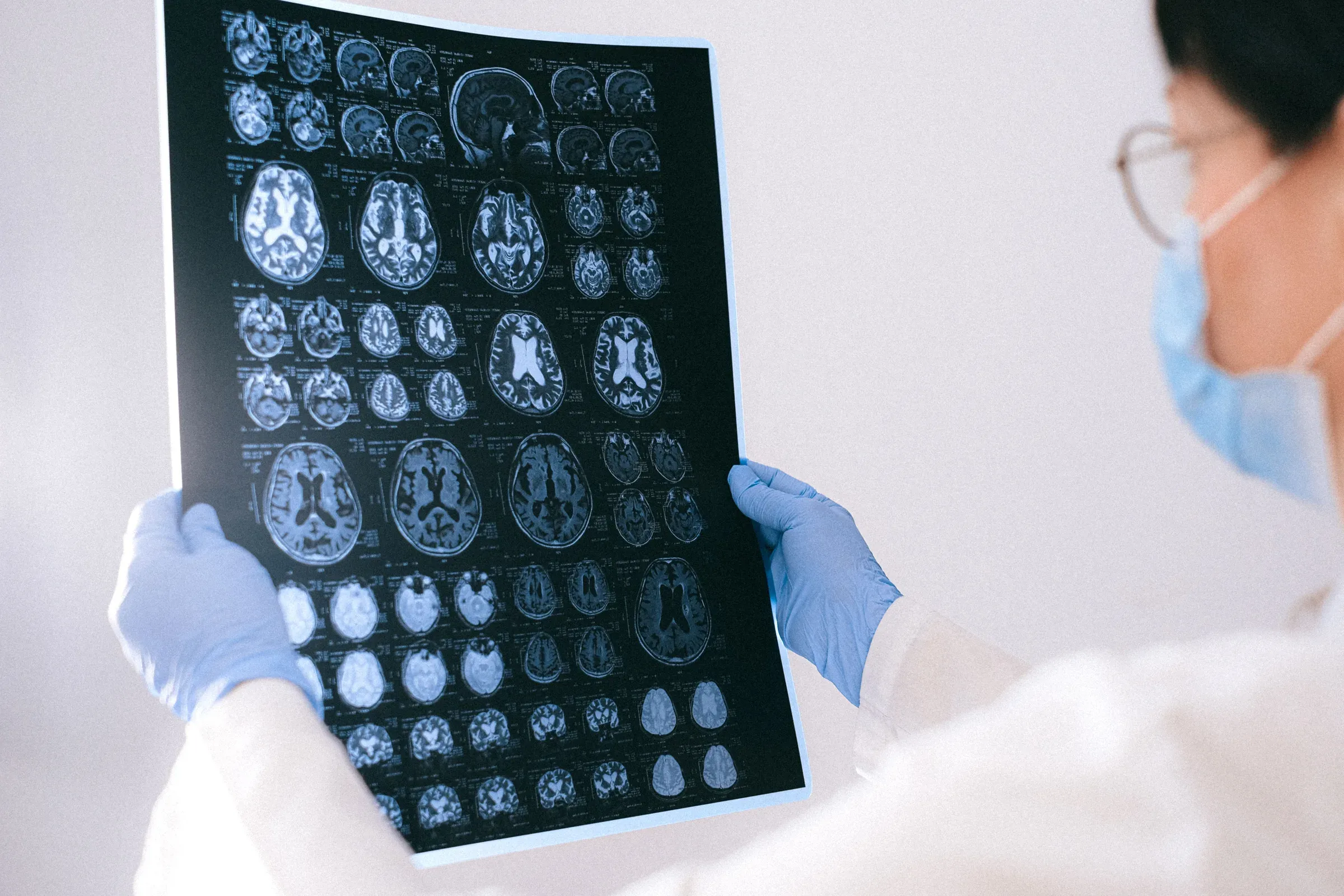
Medical notes, bills, wage information, and daily limitations may be reviewed for timing, consistency, causation, and reasonableness.
An insurer’s evaluation is not an independent legal opinion. The company assesses the claim from its own contractual and business position.
Related resources
Visit the resource center or review the personal injury FAQ.